a beginner’s observing log
Stargazing gear, one rung at a time
What to buy first and what can wait: binoculars, a first telescope, then the upgrades. Shopping for a gift? Start with who will use it, and where it will live.
We earn from qualifying purchases through links on this page.


shop by type
What are you shopping for?


the observing ladder
What should you buy first?
Five rungs from no gear to a first photo. You can stop on any rung: each one is a complete way to enjoy the sky.
rung 1 · no gear
Your eyes and a star chart
NASA’s skywatching pages say you need no special equipment to get started. Learn a few constellations with a planisphere or a beginner’s book before you buy anything.
before you buy
Four checks before you order a telescope
- Plan for the Sun. Never point any telescope, binoculars or finder at the Sun without a solar filter fixed over the front.NASA says unfiltered optics “will instantly cause severe eye injury”, and eclipse glasses are not a substitute behind optics.
- Read the aperture, not the magnification. Celestron puts the useful maximum at 50 to 60 times the aperture in inches. See your first telescope.
- Check the weight. Celestron lists an 80 mm refractor kit at 9.2 lb and an 8-inch Dobsonian kit at 43.4 lb. See 6-inch or 8-inch Dobsonian.
- Buying for a child? Read the age label. The maker’s age grade on the box, not a listing title, tells you who it is for. See telescopes for kids.

a night out
What to pack for a dark-sky night
The National Park Service suggests a red flashlight, extra warm layers, a chair or blanket, food and water, and a star chart. Your eyes need 20 to 30 minutes to adjust to the dark, and white light resets them. Binoculars travel well too: NASA notes they fit in carry-on luggage.
Beginner telescopes: small refractors and tabletop reflectors
Live listings, shown by eBay
Opens eBay in a new tab. Check condition, seller feedback and returns.

pictures, not just views
Want to photograph the night sky?
Start with a camera on a sturdy tripod and a remote release. Add a star tracker for longer exposures, or buy a smart telescope that points, tracks and stacks for you and shows the picture on your phone.
what you will see
Four first targets
These pictures come from spacecraft and the Hubble Space Telescope. Through binoculars or a backyard telescope the same objects look much smaller and show far less detail, and they are still worth the wait.
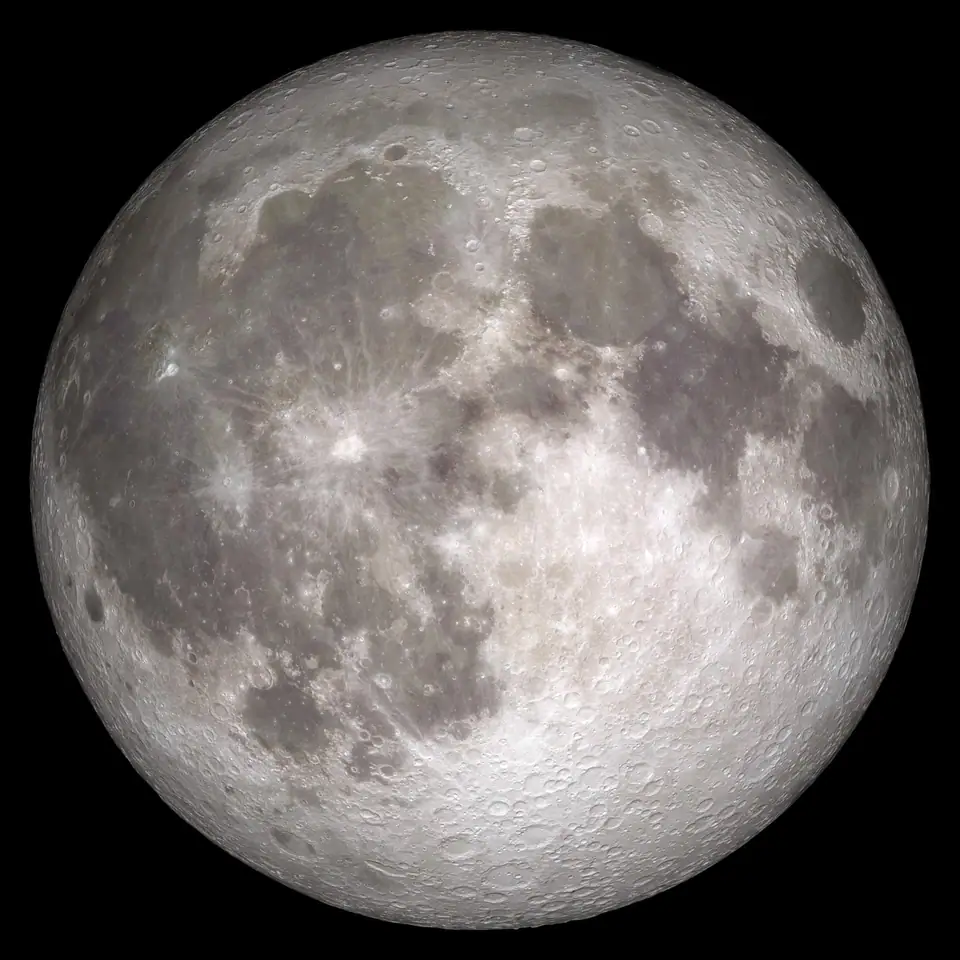
The Moon
The first target for any instrument. NASA’s Night Sky Network says binoculars show craters about 6 miles across.
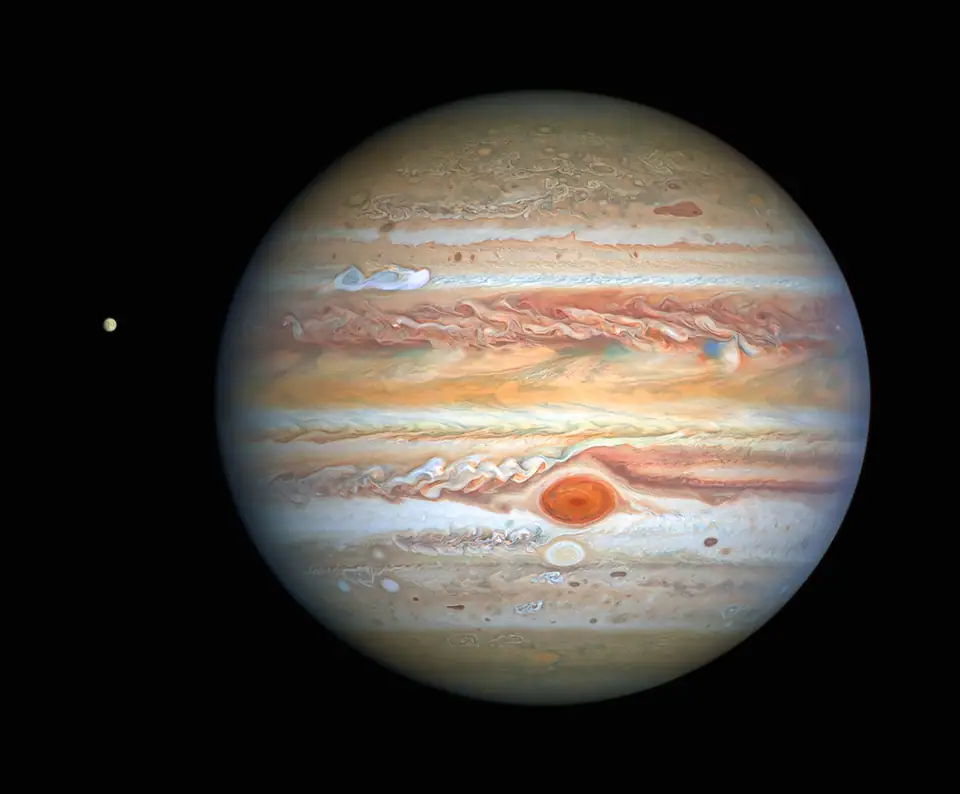
Jupiter
NASA lists Jupiter’s large moons among the sights that binoculars or a small telescope bring into view.
Image: NASA, ESA, A. Simon (Goddard Space Flight Center), M. H. Wong (University of California, Berkeley) and the OPAL team, CC BY 4.0
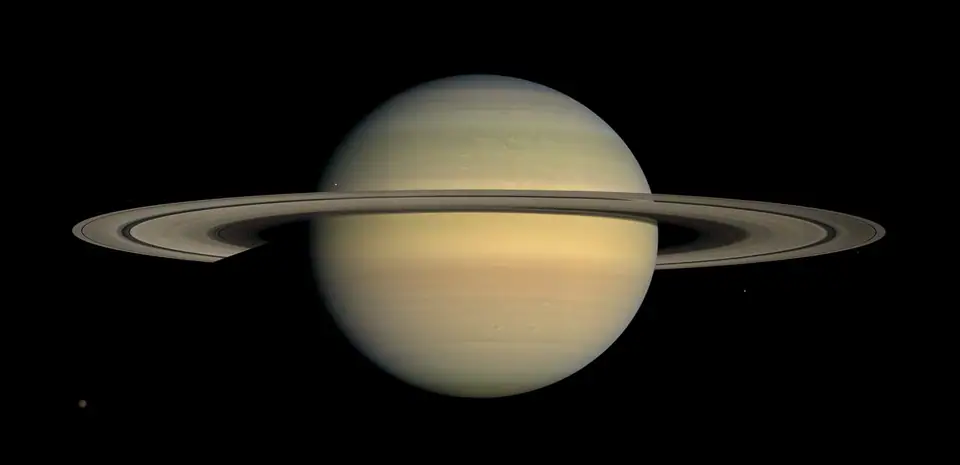
Saturn
The rings are the classic first-telescope sight. NASA names them alongside Jupiter’s moons as details a small telescope reveals.
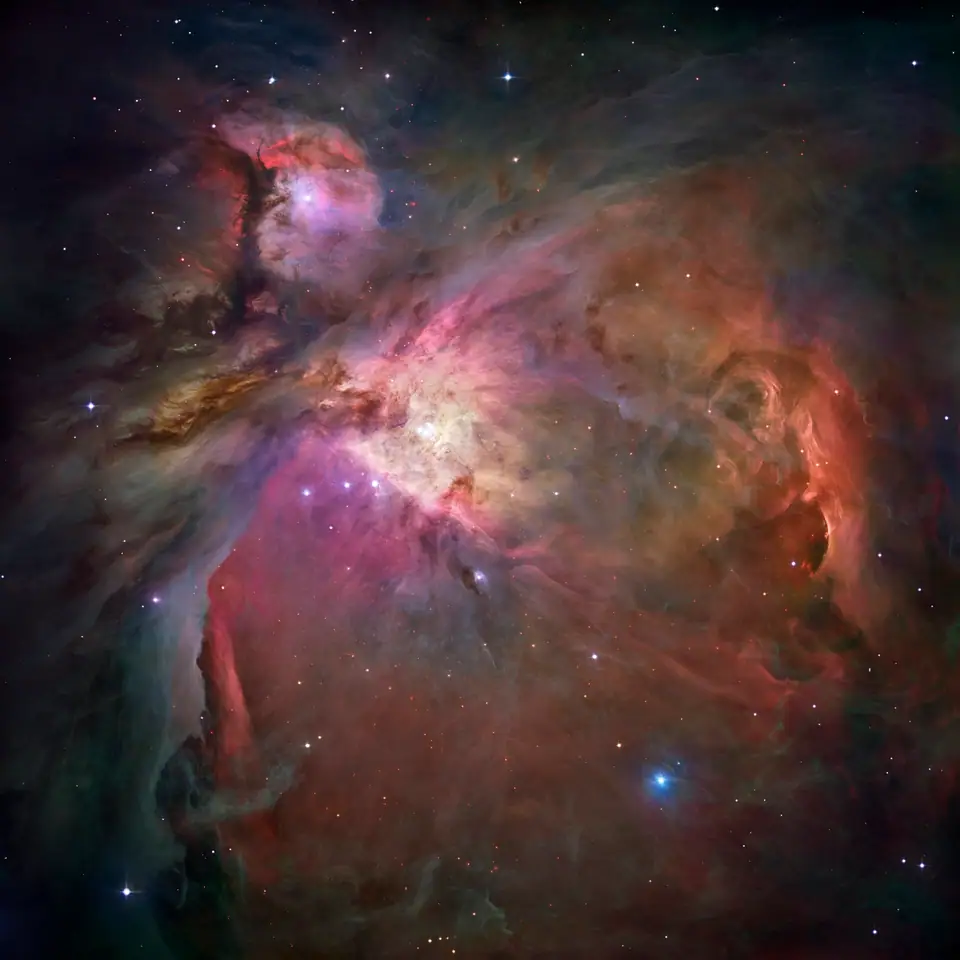
The Orion Nebula
NASA’s Night Sky Network lists the Orion Nebula (M42) among the large nebulae that binoculars can show.
Image: NASA, ESA, M. Robberto (STScI/ESA) and the Hubble Space Telescope Orion Treasury Project Team


Sources: NASA Skywatching FAQ and NASA Night Sky Network, “Binoculars: A Great First Telescope”.
Binoculars for stargazing: 10x50 and larger
Live listings, shown by eBay
Opens eBay in a new tab. Check condition, seller feedback and returns.
latest entries
New guides
Start here
Binoculars for Stargazing: Where to Start Before a Telescope
Binoculars are the easiest first stargazing instrument: the sizes that hand-hold well, when a tripod helps, and where a telescope makes more sense.
Start here
Choosing a Telescope: Dobsonian, Refractor, GoTo, Kids and Used
How to choose a first telescope: aperture and weight first, then Dobsonian, refractor or GoTo, a child's model, a used one, and the eyepieces to add.
Start here
Smart Telescopes and Night-Sky Photography for Beginners
Two ways to photograph the night sky: a smart telescope that finds and stacks targets for you, or a camera on a tripod and star tracker. Which suits you.
Buying guide
Black Friday Binocular Deals 2026: What to Compare for Stargazing
Black Friday is November 27, 2026. Compare binoculars for stargazing by size, exit pupil, eye relief and weight, and see when a telescope makes more sense.
good to know
Notes for the night
- red night mode
- The switch in the header turns the page red on black and hides photos. The National Park Service explains that dim red light preserves dark-adapted vision. Turn your screen brightness down as well.
- independent
- Stargazing Gear is not affiliated with Celestron, Sky-Watcher, ZWO or any other maker. Brand names describe the products they make. How we make money.
Affiliate disclosure
Stargazing Gear is reader-supported. Some links on this page are affiliate links: when you buy through them, we may earn a commission at no extra cost to you. As an eBay Partner, we may be compensated if you make a purchase through our links. Commissions never decide what we recommend or how we rank it. Listings and prices come from our partners and change often, so check the price, condition and seller on the retailer's page before you buy. Read how we make money.